+86 13638632902
 Jason@cleanroomequips.com
 MENU
MENUX











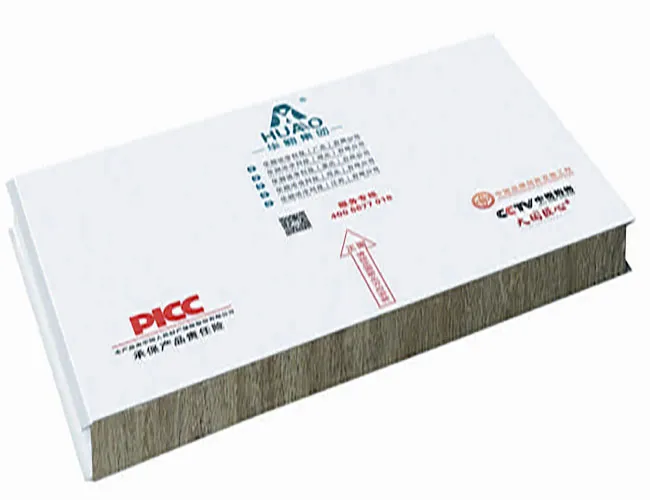
It is suitable for clean room projects with high requirements for fire protection. Rock wool fiber perpendicular to the metal panel, high-density strip rock wool staggered arrangement along the board length direction, to ensure that the rock wool purification board has a good bearing capacity. Rock wool sandwich panel has a significant reduction effect on the noise conveyance, especially suitable for places with high requirements for sound insulation. The use of A-class fireproof rock wool, more good sound insulation, heat insulation effect.
Effective width:1150mm Thickness:50mm-100mm.
Density:60-140kg/m
Length: customized production according to user needs and engineering requirements
Installation structure and use: enterprise mouth type splicing

To start, simply select a manufacturing process and upload a 3D CAD file.

Within a few hours we'll send you design for manufacturability (DFM) analysis and real-time pricing.

Once you review your quote and place your order, we'll start the manufacturing process. We also offer finishing options.

Our digital manufacturing process allows us to produce parts in as fast as 1 day.
Rock wool sandwich panels consist of an inner core of rock wool insulation sandwiched between two outer layers, typically made of metal or other materials. These panels are designed for various applications, offering excellent thermal and acoustic insulation properties. The combination of durability and lightweight design makes rock wool sandwich panels an ideal choice for construction projects.
Using rock wool panels in cleanroom construction provides several key benefits, including:
Superior thermal insulation
Effective soundproofing
Fire resistance
Moisture control
Environmental sustainability
These advantages contribute to maintaining optimal conditions in controlled environments, ensuring compliance with industry standards and enhancing overall operational efficiency.
Rock wool cleanroom wall panels are specifically designed to provide excellent thermal and acoustic insulation. The dense structure of rock wool minimizes heat transfer, making it an efficient insulator that helps maintain stable temperatures within cleanrooms. Additionally, the fibrous nature of rock wool effectively absorbs sound, reducing noise transmission and creating a quieter environment, which is crucial for sensitive operations in cleanrooms.
Yes, rock wool cleanroom wall panels are highly fire-resistant due to the natural properties of rock wool. They can withstand high temperatures without melting or releasing toxic fumes, making them an ideal choice for environments where fire safety is a priority. This feature not only enhances safety but also helps in meeting regulatory requirements.
The main differences between rock wool and fiberglass panels for cleanrooms lie in their insulation properties and resistance to moisture. Rock wool panels offer superior fire resistance and sound absorption, while fiberglass panels tend to be lighter and more flexible. Additionally, rock wool is less susceptible to moisture-related issues, making it a better choice for environments with high humidity or potential water exposure.
Rock wool cleanroom wall panels contribute to maintaining air quality by providing a barrier against airborne contaminants. Their dense structure minimizes the infiltration of dust, particles, and allergens, ensuring that the cleanroom environment remains pristine. Moreover, rock wool panels are resistant to mold and bacteria, further enhancing the overall air quality in controlled environments.
Yes, rock wool cleanroom wall panels can be effectively used in high-humidity environments. Their moisture-resistant properties help prevent mold growth and maintain structural integrity, making them suitable for applications in laboratories, food processing, and pharmaceutical facilities where humidity levels are often elevated.
Rock wool cleanroom wall panels have a long lifespan, typically lasting over 30 years with proper maintenance. They are relatively easy to maintain, requiring only periodic cleaning to remove dust and contaminants. Their resistance to moisture and microbial growth further reduces the need for frequent replacement or extensive upkeep, ensuring cost-effectiveness over time.
Cleanroom rock wool panels are specially designed wall panels used in the construction of cleanrooms, made from rock wool (also known as mineral wool) as the core material. These panels are highly effective in controlling environmental conditions such as temperature, humidity, and sound, while maintaining stringent cleanliness standards.
The rock wool material offers excellent thermal insulation, acoustic dampening, and fire resistance, making it ideal for cleanrooms in industries like pharmaceuticals, electronics, and biotechnology where maintaining a sterile and controlled environment is crucial.
Cleanroom walls are made from a variety of materials designed to meet the stringent requirements for contamination control, durability, and ease of maintenance. The choice of materials depends on factors like the level of cleanliness required, fire resistance, thermal insulation, and noise reduction. Typically, cleanroom walls are constructed with smooth, non-porous surfaces that are easy to sanitize and resistant to contamination.
Common materials used for cleanroom walls include:
Modular Cleanroom Panels: These can be made of materials like aluminum, steel, or composite materials that are lightweight and easy to assemble.
Rock Wool Panels: These are used for their thermal insulation, soundproofing, and fire resistance. Rock wool panels help maintain environmental conditions in the cleanroom.
Gypsum Panels: Common in lower-grade cleanrooms, gypsum panels are often finished with a smooth, cleanable surface, but they may not offer the same insulation or fire resistance as other materials.
PVC or Vinyl Panels: These flexible materials are used in softwall cleanrooms due to their ease of installation and cost-effectiveness. They are also resistant to moisture and can be easily wiped down.
Glass Panels: In some cleanrooms, particularly where visibility is important, tempered glass panels are used, which are non-porous and easy to maintain.
Polyurethane or Polystyrene Panels: These rigid foam materials provide insulation and are often used in combination with other wall finishes to maintain temperature and cleanliness.
These materials are selected based on the specific needs of the cleanroom, such as controlling contamination, providing insulation, or withstanding high humidity or temperatures.
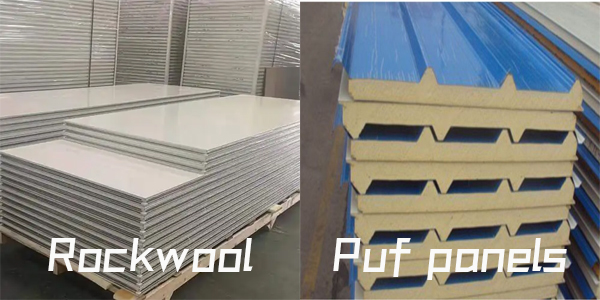
Here’s the difference between Rockwool and PUF (Polyurethane Foam) panels in a list format:
Differences between Rockwool and PUF Panels:
Core Material:
Rockwool Panels: Made from mineral wool (rock wool), which is derived from natural rocks.
PUF Panels: Made from polyurethane foam (PUF), a synthetic polymer material.
Thermal Insulation:
Rockwool Panels: Provide good thermal insulation but have a slightly higher thermal conductivity (λ-value ~ 0.035-0.045 W/m·K).
PUF Panels: Offer superior thermal insulation, with a lower thermal conductivity (λ-value ~ 0.022-0.028 W/m·K), making them more effective at reducing heat transfer.
Fire Resistance:
Rockwool Panels: Non-combustible, with excellent fire resistance (Class A1 fire rating). They can withstand high temperatures without catching fire.
PUF Panels: Flammable by nature, although they can be treated for fire resistance (typically rated Class B or C). Not as fire-resistant as rockwool.
Sound Insulation:
Rockwool Panels: Provide excellent soundproofing properties, effectively reducing noise levels (up to 50 dB).
PUF Panels: Offer moderate sound insulation, but are not as effective as rockwool in noise reduction.
Moisture Resistance:
Rockwool Panels: Resistant to moisture, but may degrade in very high humidity conditions over time.
PUF Panels: Highly moisture-resistant and do not absorb water, making them ideal for humid environments.
Weight:
Rockwool Panels: Heavier due to the dense nature of rock wool.
PUF Panels: Much lighter, as the foam composition is less dense compared to rockwool.
Durability:
Rockwool Panels: Durable, but can be prone to damage if mishandled or exposed to moisture over long periods.
PUF Panels: Highly durable, resistant to physical damage, especially from impacts, and maintain their properties over time.
Environmental Impact:
Rockwool Panels: Made from natural, sustainable materials, making them more eco-friendly.
PUF Panels: Made from synthetic materials, which can have environmental concerns due to the chemical processes involved in production.
Applications:
Rockwool Panels: Ideal forfire-resistant, soundproofing, and thermal insulation applications, often used
PUF Panels: Commonthermal insulation in refrigeration,
Cost:
Rockwool Panels: Generally more cost-effective than PUF panels.
PUF Panels: Usually **more expensive due to their superior
In summary, Rockwool panels are better forfire resistance and sound insulation,PUF panels excel in thermal insulation and moisture resistancemoisture resistance, making them ideal for more energy-efficient applications