+86 13638632902
 Jason@cleanroomequips.com
 MENU
MENUX











Pass Box is a transfer device specifically designed for cleanrooms and high-cleanliness controlled environments. It can sterilize items so that they can be transferred without compromising the cleanliness of the environment, thus minimizing the risk of environmental contamination.It is equipped with interlocking doors at the entrance and exit to prevent air convection pollution caused by the simultaneous opening of both doors.It is equipped with a HEPA/ULPA filtration system, which can effectively remove pollutants and particulate matter.It is equipped with a UV-C germicidal lamp, which can effectively sterilize and disinfect the inner surface of the box and the air.It is equipped with indicator lights, a control panel, and an audible and visual alarm device, which facilitates real-time status monitoring by the operator and provides alarm prompts when abnormal conditions occur, thereby enhancing safety.
Our expert team designs customized static and dynamic pass box systems to streamline material transfer and keep your cleanroom protected from contamination.
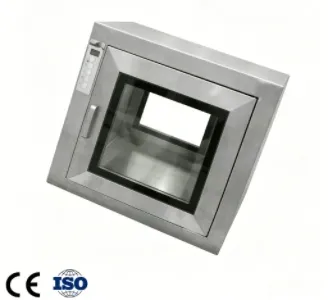
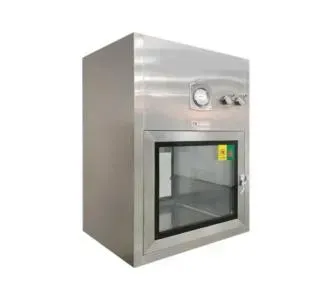
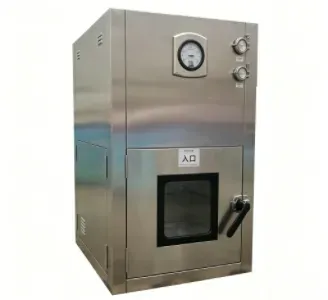
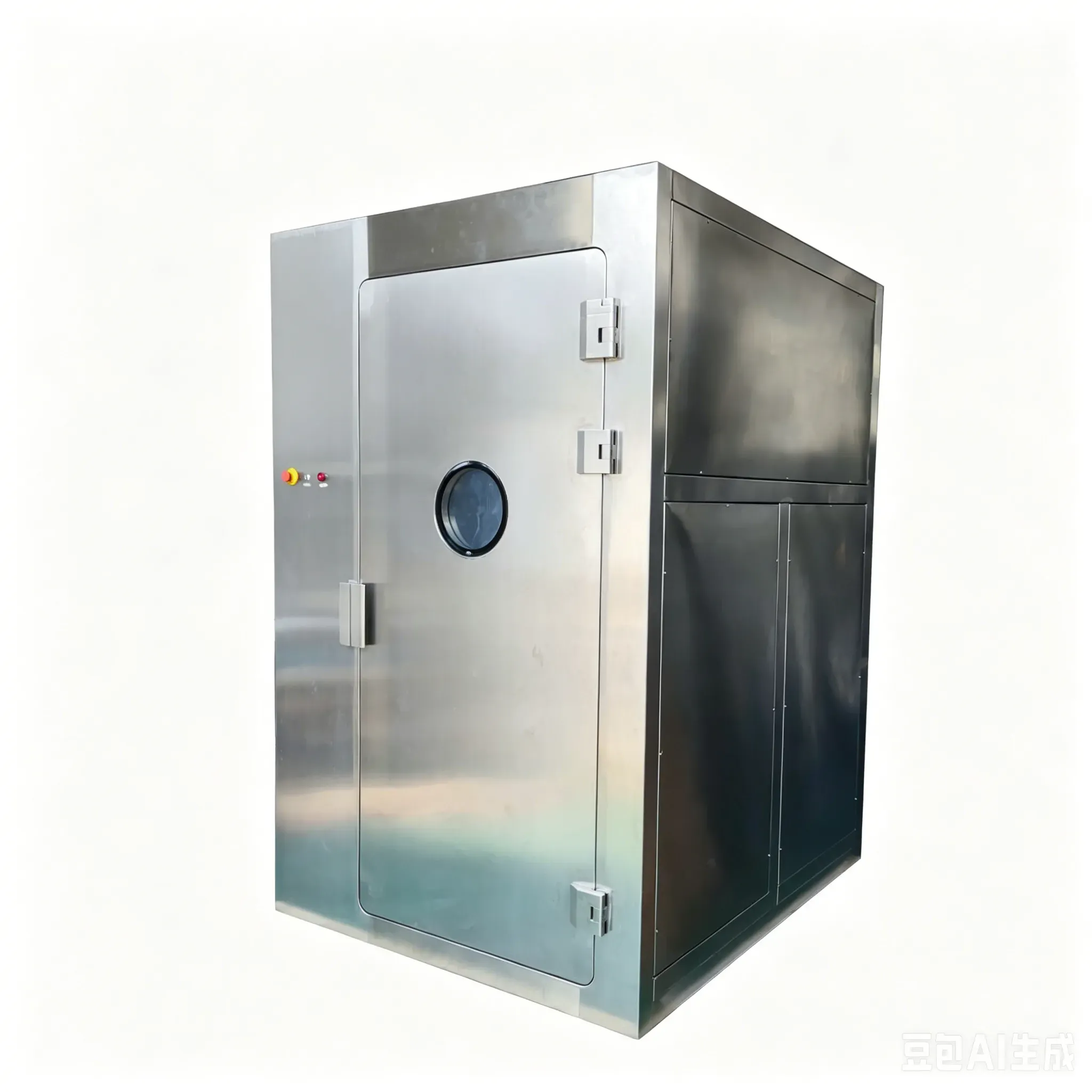
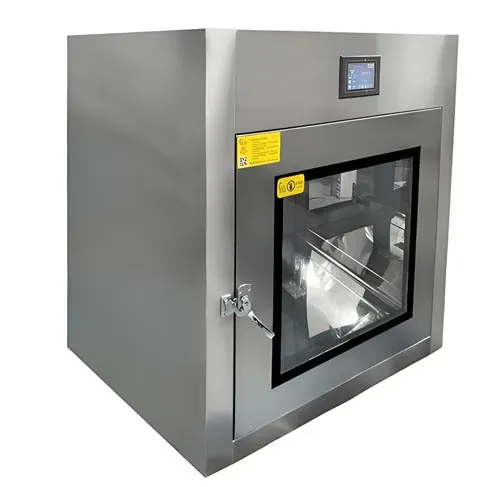
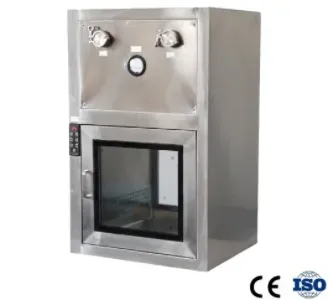
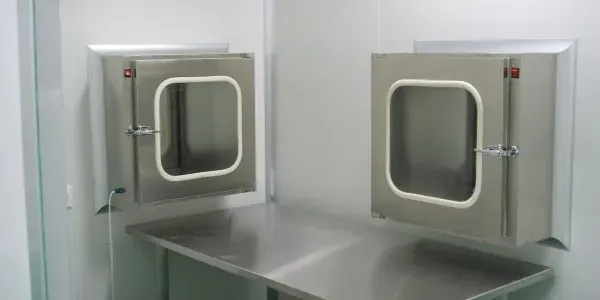
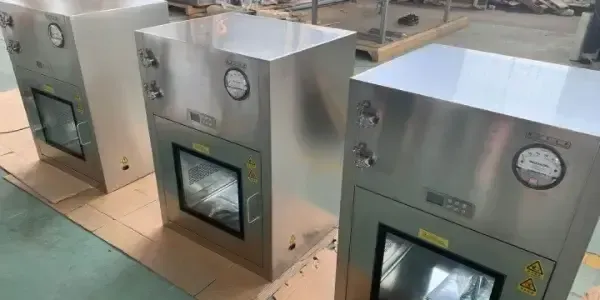
Static Pass Box
Typical: no built-in fan or HEPA filter; relies on room air and basic sealing to cut direct airflow between rooms.
Best for transfer between rooms with similar cleanliness levels (for example Class C–C, D–D, or clean corridor to a similar-grade prep room); it doesn’t “upgrade” cleanliness during transfer.
Commonly used to reduce personnel traffic and door opening, lowering particle and microbial carry-over in general pharmaceutical, electronics, and lab support areas.
Cost is relatively low, roughly 0.5–0.7 times a dynamic pass box (depending on size, material, and interlock system); no power needed in basic models.
Maintenance is simple: mainly checking mechanical interlocks, hinges, viewing windows, and sealing strips; no fan or HEPA filter replacement in standard static designs.
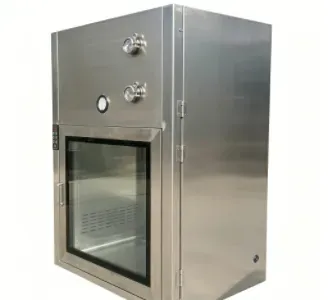
Dynamic Pass Box
Typical: equipped with a fan and HEPA/ULPA filter; internal airflow and cleanliness are controlled (often ISO 5–7 inside the box, depending on design).
Used for transfers from lower-grade to higher-grade areas (for example Class D/C background to Class B/C core rooms); provides active particle flushing and better pressure control to reduce contamination risk.
Can include interlocked doors, differential pressure monitoring, air-flushing or air-shower functions, and optional UV or other disinfection to cut both particles and bioburden.
Equipment cost is about 1.5–3 times that of a static pass box, driven by the fan system, HEPA filters, and control/monitoring functions.
Maintenance includes regular HEPA integrity tests, airflow and pressure verification, fan checks, and periodic replacement of filters and sealing strips to keep performance and compliance validated.
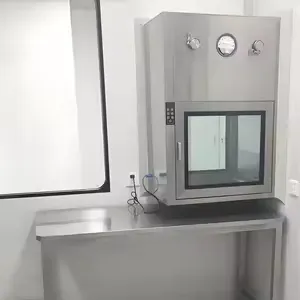
Deiiang dynamic pass boxes help protect aseptic filling and compounding by flushing particles, reducing operator traffic, and keeping GMP cleanroom zoning under tight, documentable control.
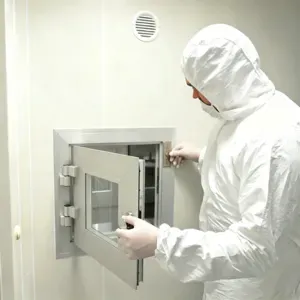
For ATMP and cell culture suites, Deiiang pass boxes cut cross‑contamination risk when moving media, bags, and samples between Grade B/C rooms and support labs.
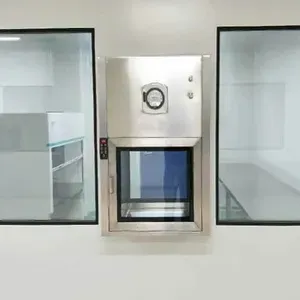
In operating rooms, ICUs, and isolation wards, Deiiang pass boxes support safe medicine, instrument, and specimen transfer without constantly opening high‑risk doors.
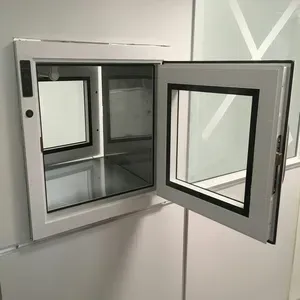
Deiiang low‑leak, easy‑clean pass boxes keep wafers, PCBs, and precision components protected when moving between different ISO cleanroom zones and tool areas.
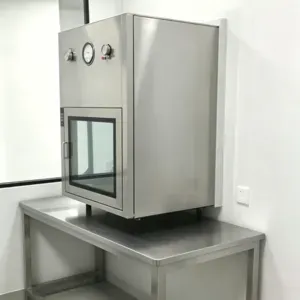
Deiiang stainless steel pass boxes simplify hygienic transfer of ingredients and tools into high‑care zones, helping reduce manual handling and airborne contamination.
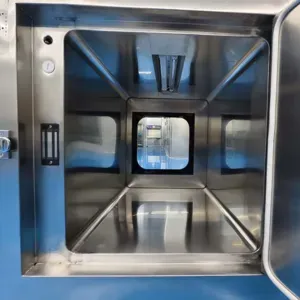
For emulsions, powders, and filling lines, Deiiang pass boxes limit dust and microbial load when feeding packaging materials into controlled production rooms.
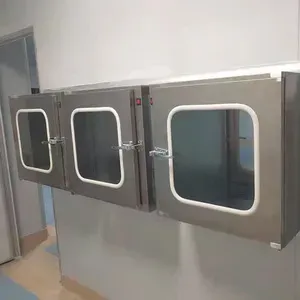
Deiiang pass boxes support ISO 7–8 cleanrooms by controlling particle transfer during sterilized component and packaging movement between molding, assembly, and packing areas.
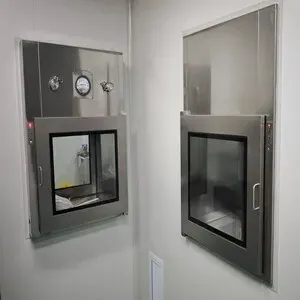
Deiiang pass boxes offer safe, traceable transfer of reagents, samples, and small equipment between BSL and clean lab spaces, cutting unnecessary staff entry.

To start, simply select a manufacturing process and upload a 3D CAD file.

Within a few hours we'll send you design for manufacturability (DFM) analysis and real-time pricing.

Once you review your quote and place your order, we'll start the manufacturing process. We also offer finishing options.

Our digital manufacturing process allows us to produce parts in as fast as 1 day.
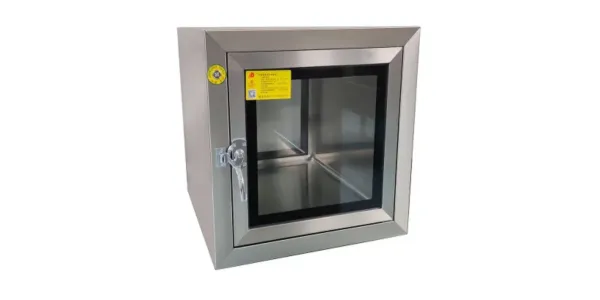
Deiiang is a professional supplier and manufacturer of cleanroom construction materials and equipments, providing you with comprehensive, one-stop solutions for cleanroom construction.
Send inquiry Now
A pass box in a cleanroom is a sealed container used to transfer materials between different controlled environments without compromising cleanliness. It typically features interlocking doors that prevent the simultaneous opening of both sides, minimizing the risk of contamination. Pass boxes are commonly used in industries such as pharmaceuticals, biotechnology, and electronics, where maintaining sterile conditions is critical.
These devices facilitate the safe and efficient movement of supplies, tools, or samples, ensuring that the cleanroom's integrity is maintained while allowing for necessary operations. They often include features like HEPA filters to further reduce the risk of airborne particles during transfers.
A pass box operates by utilizing a dual-door system that prevents both doors from being opened at the same time, thereby maintaining the cleanroom's sterile environment. When materials need to be transferred, an operator places items inside the pass box and closes the door. Once the first door is securely shut, the second door can then be opened from the other side, allowing the recipient to access the items without direct exposure to the cleanroom.
Many pass boxes are equipped with additional features such as HEPA filters and UV sterilization to further enhance contamination control. These mechanisms work together to ensure that any airborne particles or pathogens are filtered out before the materials enter the cleanroom, thus preserving the integrity of the controlled environment.
Here are some common types of pass boxes used in cleanrooms and controlled environments:
Standard Pass Box: Basic pass box with interlocking doors for material transfer.
HEPA Filter Pass Box: Equipped with HEPA filters to minimize airborne contamination during transfers.
UV Sterilization Pass Box: Includes UV light for disinfection of items before they enter the cleanroom.
Electronic Pass Box: Features automated controls and monitoring systems for enhanced security and tracking.
Vertical Pass Box: Designed for vertical transfer of materials, often used in applications where space is limited.
Horizontal Pass Box: Standard design for horizontal transfer, commonly used in laboratory settings.
Double-Sided Pass Box: Allows access from two separate cleanroom environments or areas.
Custom Pass Box: Tailored designs to meet specific operational needs or industry requirements.
These various types of pass boxes help ensure effective contamination control while facilitating the safe transfer of materials in critical environments.
Differences Between Static and Dynamic Pass Boxes:
Airflow:
Static Pass Box: No active airflow; relies on a sealed environment.
Dynamic Pass Box: Active airflow with fans or blowers.
Filtration:
Static Pass Box: Typically lacks advanced filtration systems.
Dynamic Pass Box: Equipped with HEPA filters for enhanced air quality.
Operation:
Static Pass Box: Manual operation; simple design.
Dynamic Pass Box: Automated controls; more complex design.
Usage:
Static Pass Box: Suitable for less critical applications.
Dynamic Pass Box: Ideal for highly sensitive environments.
Contamination Control:
Static Pass Box: Limited contamination control.
Dynamic Pass Box: Enhanced contamination control measures.
Installing a pass box involves several key steps to ensure proper functionality and compliance with cleanroom standards. First, select an appropriate location for the pass box, ideally near the entry point of the cleanroom to facilitate easy access while minimizing contamination risks. Ensure that the surrounding area is clean and meets the necessary specifications for installation.
Next, secure the pass box to the wall or surface using the provided mounting hardware. It’s crucial to follow the manufacturer’s guidelines for installation to maintain the integrity of the cleanroom environment. Ensure that the pass box is level and properly aligned to prevent any operational issues.
Finally, connect any electrical components if the pass box includes features like UV sterilization or automated controls. Once installed, conduct a thorough inspection and testing of the pass box to verify that it operates correctly and that there are no air leaks or contamination pathways. Regular maintenance checks should be scheduled to ensure ongoing performance and compliance with cleanroom protocols.
Pass boxes are typically constructed from materials that ensure durability and ease of cleaning, with stainless steel being the most common choice. Stainless steel is favored for its corrosion resistance, non-porous surface, and ability to withstand frequent disinfection, making it ideal for maintaining cleanliness in controlled environments like cleanrooms.
In addition to stainless steel, some pass boxes may incorporate other materials such as tempered glass for visibility and inspection purposes, as well as high-grade plastics for lightweight designs. The choice of materials often depends on the specific requirements of the application, including the need for chemical resistance, thermal stability, and compliance with industry standards.
A pass box is used in cleanrooms to facilitate the safe transfer of materials between different controlled environments while minimizing the risk of contamination. Its design, featuring interlocking doors and often advanced filtration systems, helps maintain the sterile conditions of the cleanroom by preventing the influx of airborne particles and pathogens during the transfer process, ensuring compliance with strict industry standards in sectors like pharmaceuticals, biotechnology, and electronics.
To maintain and clean a pass box, first, regularly inspect it for any signs of wear, damage, or contamination. For cleaning, use approved disinfectants suitable for the materials of the pass box, such as stainless steel, and follow a routine schedule to ensure all surfaces, including handles and seals, are thoroughly wiped down. Pay special attention to any filters, such as HEPA filters, and replace them according to manufacturer recommendations. Additionally, ensure that the pass box is properly sealed and operational after cleaning to maintain its effectiveness in preventing contamination in cleanroom environments.
The standard dimensions of cleanroom pass boxes can vary depending on their intended use and design. However, common sizes include:
Small Pass Box:Dimensions: Approximately 600 mm x 600 mm x 600 mm (24 in x 24 in x 24 in)
Medium Pass Box:Dimensions: Approximately 800 mm x 800 mm x 800 mm (32 in x 32 in x 32 in)
Large Pass Box:Dimensions: Approximately 1000 mm x 1000 mm x 1000 mm (40 in x 40 in x 40 in)
Vertical Pass Box:Dimensions: Approximately 600 mm x 600 mm x 1200 mm (24 in x 24 in x 48 in)
Horizontal Pass Box:Dimensions: Approximately 1200 mm x 600 mm x 600 mm (48 in x 24 in x 24 in)
These dimensions can be customized based on specific requirements and the volume of items being transferred, as well as the layout of the cleanroom.