+86 13638632902
 Jason@cleanroomequips.com
 MENU
MENUX









Dejiang cleanroom materials are specifically designed for critical controlled environments, featuring low-particle and low-ionic performance. Widely used in sectors such as electronics, pharmaceuticals and life sciences, semiconductors, and new energy, these materials help customers achieve stable and reliable processes.
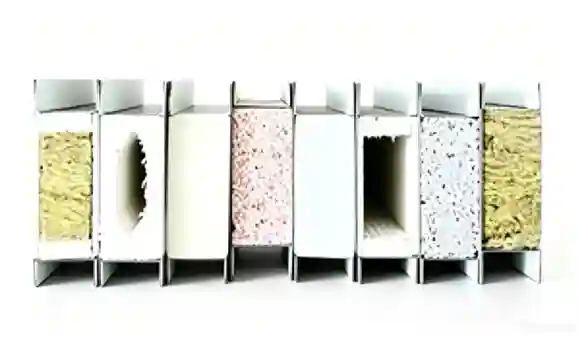
Our professional team provides a one-stop, customized supply of cleanroom materials to meet your specific requirements.
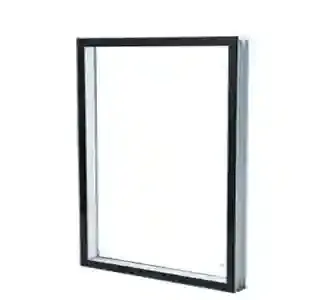
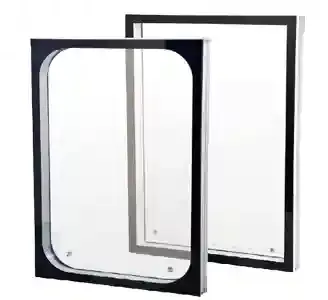


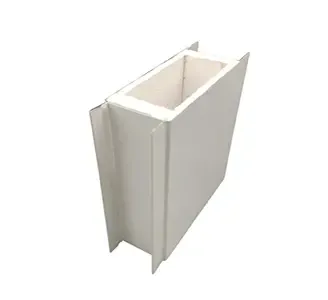
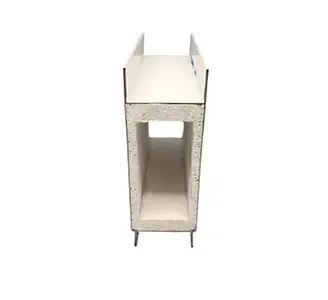
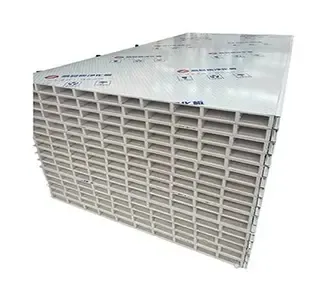
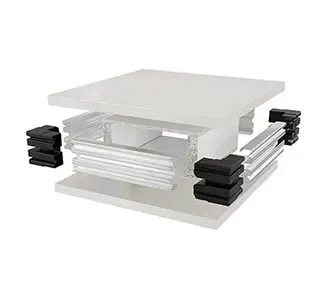
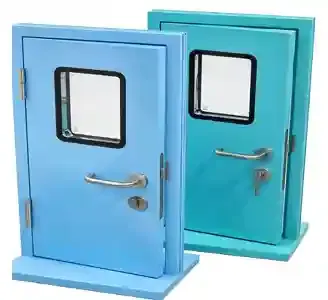
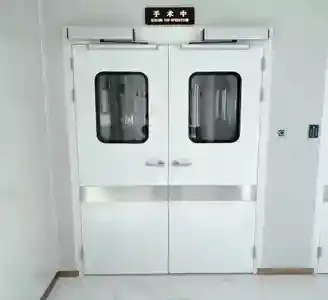
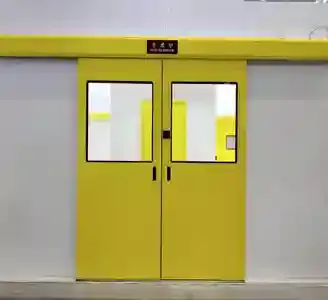
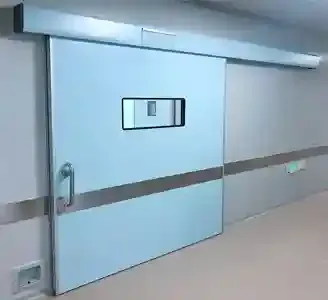
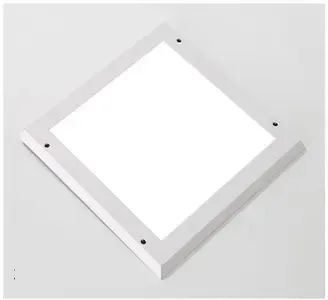
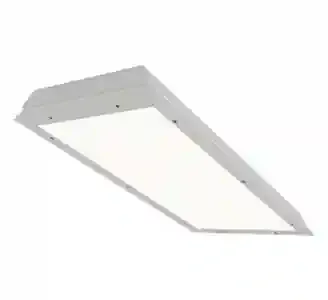
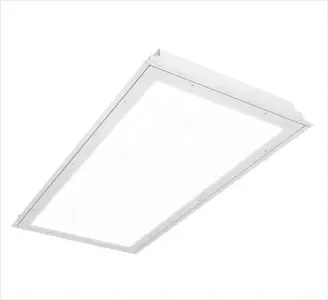

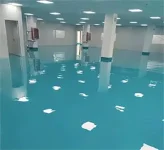
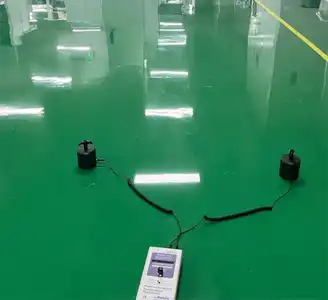
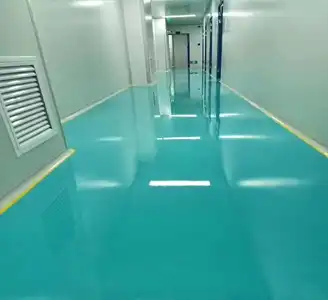
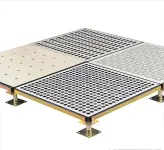
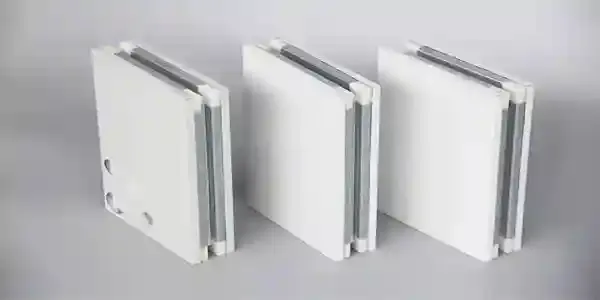
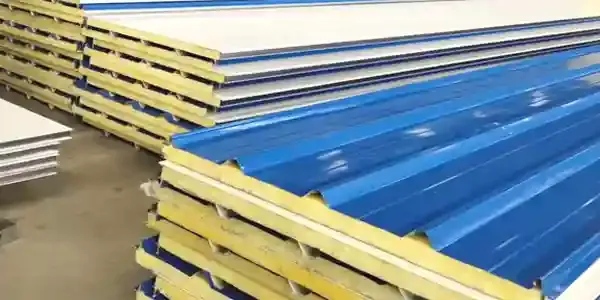
Cleanroom materials and general building materials are widely used in factories, laboratories, hospitals and commercial buildings. Both can meet basic structural and safety requirements, but they differ significantly in cleanliness control, surface properties and long-term stability in controlled environments. Choosing the right material depends on your contamination control level, production process sensitivity and maintenance expectations.
Material: Low-particle, low-VOC, low-outgassing substrates
Performance: Excellent particle control, chemical resistance and cleanability
Feature: Smooth, non-porous surfaces, easy to wipe down and disinfect
Application: Cleanrooms, critical production areas, GMP facilities
Material: Conventional concrete, gypsum board, wood, standard coatings
Performance: Focus on structure and cost, limited contamination control
Feature: May be porous, prone to dust retention and particle shedding
Application: Offices, corridors, warehouses, non-critical rooms
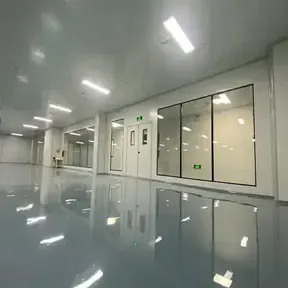
Flush cleanroom windows, general cleanroom doors and LED panel lights create smooth, easy‑to‑wash surfaces for food plants, helping control moisture, splashes and daily chemical washdowns in HACCP zones.
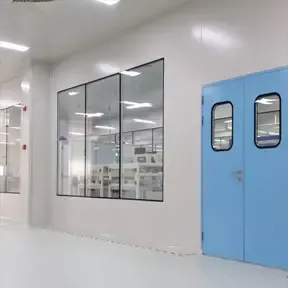
Sealed cleanroom windows, double‑glazed units and fire‑resistant MGO panels help pharma plants maintain GMP‑grade air‑tightness, pressure differentials and fire safety in core filling, compounding and packaging rooms.
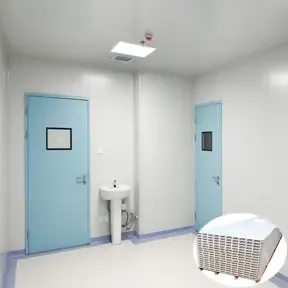
Tempered cleanroom windows paired with MGO sandwich and hand‑made panels give medical device workshops bright visibility, strong impact resistance and tight joints that are easy to clean and validate.
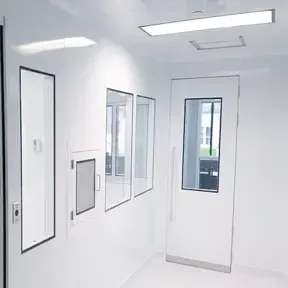
Fireproof MGO panels, smooth cleanroom doors and surface‑mounted cleanroom lights build splash‑resistant, low‑dust rooms that handle pigments, oils and frequent cleaning in cosmetics production areas.
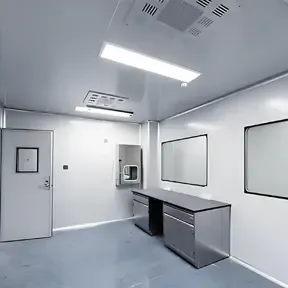
Labs combine MGO cleanroom sandwich panels, recessed cleanroom lights and chemical‑resistant epoxy probes to manage corrosion, splashes and precise monitoring in analytical, microbiology and R&D spaces.
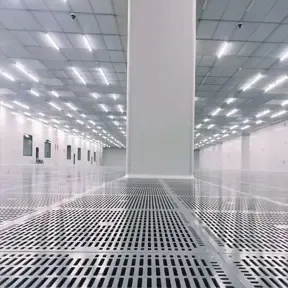
ESD cleanroom panels, sealed doors, IP65 cleanroom lights and ESD epoxy probes work together to control particles and static, supporting wafer fabs, chip packaging and precision electronics lines.
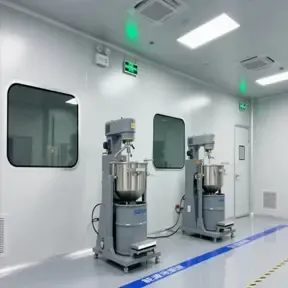
Sliding and automatic cleanroom doors, robust glazing and chemical‑resistant epoxy probes support powder handling, coating and assembly in lithium battery and new energy cleanroom workshops.

To start, simply select a manufacturing process and upload a 3D CAD file.

Within a few hours we'll send you design for manufacturability (DFM) analysis and real-time pricing.

Once you review your quote and place your order, we'll start the manufacturing process. We also offer finishing options.

Our digital manufacturing process allows us to produce parts in as fast as 1 day.
Deiiang is a professional supplier and manufacturer of cleanroom construction materials, providing you with comprehensive, one-stop solutions for cleanroom construction.
Send inquiry Now
Cleanroom material refers to any product designed and manufactured to release fewer particles, fibers, ions or VOCs than standard industrial materials. This includes cleanroom wipes, gloves, garments, swabs, sticky mats and packaging.
Unlike normal workshop supplies, cleanroom materials are tested for particle shedding and extractables according to cleanroom standards such as ISO 14644 and IEST recommended practices.
Put simply, normal materials focus on strength and cost, while cleanroom material is engineered first for contamination control, then for durability, comfort and efficiency.
Deiiang cleanroom materials are developed to fit different ISO classes and industry needs, so users can choose the right grade instead of over‑ or under‑specifying their environment.
The first filter is always your process and ISO class. ISO 5 semiconductor lines need cleaner materials than an ISO 8 packing room in a pharma plant.
For critical steps, pick low‑lint polyester cleanroom wipes, ESD‑safe garments and validated gloves. For support areas, blended wipes and general cleanroom material may already be enough.
Refer to ISO 14644 and your GMP or FDA guidance, then talk with a supplier who can share real test data on particles, ions and extractables instead of just marketing terms.
At Deiiang, we usually start from your user requirement specification (URS) and offer a short list of cleanroom materials ranked by cleanliness level, cost and risk, so the choice is clear.
For air cleanliness, most facilities follow the ISO 14644 series, which defines airborne particle limits and sets expectations for compatible construction and cleanroom materials.
In pharmaceutical and biotech plants, EU GMP, China GMP and WHO GMP all require that cleanroom material used in critical areas does not shed particles, is easy to clean and does not support microbial growth.
For static‑sensitive environments, ESD cleanroom materials should comply with ANSI/ESD S20.20 and IEC 61340 for charge control and resistance ranges.
Deiiang shares relevant reports, including particle release, ion and extractable data, so end users can link each cleanroom material to the standards named in their validation protocol.
The biggest value of cleanroom material is not on paper, but in day‑to‑day use: fewer particles on surfaces, less fiber on products and more stable environmental data.
Deiiang cleanroom wipes, swabs and sticky mats are designed to trap particles instead of just moving them around, while low‑lint garments and gloves reduce what operators bring into the room.
By combining the right mix of cleanroom material for wiping, personal protection and entry control, customers usually see more stable particle counts and fewer batch rejections after changeover.
Our technical team can review your cleaning SOPs and suggest small adjustments—such as wipe patterns or material changes—that often give measurable improvements with very little extra cost.
Safety depends on both the cleanroom material itself and how you use it. For example, wipes and gloves near open product contact zones need low extractables and clear regulatory support.
Deiiang offers certain cleanroom materials with documentation such as RoHS, REACH, and in some cases biocompatibility or food‑contact statements, so QA can review them against internal standards.
In regulated industries, we always recommend that users run their own risk assessment and, where needed, perform compatibility or leachables testing on drug product, medical devices or packaging.
Rather than promising that any cleanroom material is "universally safe", we provide transparent data and work with your quality and regulatory teams to make a documented decision.
Deiiang focuses specifically on cleanroom material, not generic industrial consumables, and designs every product around contamination control, not just price.
Our team combines cleanroom engineering experience with material science, so we can talk about ISO classes, GMP audits and ESD risks in the same language as your QA and engineering teams.
For key Deiiang cleanroom materials, we provide traceable batch control, test reports and technical support during validation, which helps you build a solid evidence package for inspectors.
In short, we aim to be a cleanroom partner rather than a box shipper—helping you choose, use and document the right cleanroom material for your long‑term production needs.
Even the best cleanroom material can be compromised by poor storage. Keep original packaging sealed, stored off the floor and away from dusty or humid areas.
For critical products like cleanroom wipes, garments and gloves, follow a FIFO or FEFO system, and avoid opening bulk cartons directly inside the cleanroom without a proper gowning or staging area.
Many facilities set up a dedicated clean storeroom for cleanroom materials, with basic controls on temperature, humidity and traffic, plus simple logs to track batches used in each area.
Deiiang can share practical storage and handling checklists, so your team treats each cleanroom material as part of the validated system, not just a disposable consumable.