wap_menu MENU
X
Trusted by
companies like
FLIR Logo 1
electrolux Logo 3
abb Logo 4
bmw Logo 5
i-dent Logo 6
SINOPEC Logo 7
CATL Logo 8
INOVANCE Logo 9
EVE Logo 10
HONDA Logo 11
FOXCONN Logo 12

Laser Cleanroom Core Requirements

Laser Cleanroom Core Requirements
ISO 14644 Cleanroom ClassificationLaser Process Contamination Control
HEPA / ULPA Filtration EfficiencyLow-Particle Airflow Design
Temperature, Humidity & Pressure Differential ControlVibration Reduction & Environmental Stability
ESD Anti-Static ControlLaser Equipment Compatibility
ISO 9001 / 14001 CertificationCustom Layout & Modular Expansion

Fastest, Most Comprehensive Laser Cleanroom Manufacturer.

25+ Years,       700M Parts,
300K Clients
100% of Fortune 100 Auto Companies.
100
Auto Leader.

Applicable industries and scenarios

ISO Class 5/6/7/8 cleanrooms for laser cutting, laser welding, laser marking, optical assembly, and contamination-sensitive precision manufacturing. Notes are for reference only, based on process risk assessment.

Microbial contamination icon

Particle Interference & Beam Quality Degradation

Within a Laser Cleanroom floating particles can create problems for laser users. The airborne particles cause the laser light to scatter and to absorb. This absorption affects the beam stability. It also hurts processing precision and the overall finished product quality. Even tiny, barely visible microscopic pollutants are enough to trigger quality flaws in high-precision laser processing work.

Cleaning validation icon

Thermal Drift & Environmental Instability

Small changes in temperature, humidity and indoor air flow can cause problems with laser calibration and check optical alignment. Although these changes are small, they can cause inconsistent processing and therefore problems with repeated production in a Laser Cleanroom.

Personnel gowning icon

Optical Surface Contamination

Dust, processing fumes and residue easily attach to lenses, mirrors, etc. of optical parts. This will affect light transmission very clearly once key parts are contaminated. It also forces more frequent equipment maintenance, triggers unplanned downtime, and hinders continuous operation of Laser Cleanroom laser systems.

Data integrity icon

ESD & Sensitive Component Damage

Sudden static discharge can be devastating to Laser devices. Sensitive Control Electronics, precise Sensors as well as the most sensitive Laser Modules can all suffer irreparable damage. With poor anti-static protection within the Laser Cleanroom, latent faults can easily arise, bring production to a standstill and reduce the life of all high quality equipment.

HVAC icon

Fume & Process Byproduct Accumulation

Common laser work like cutting, welding and marking produces large amounts of fumes and ultra-fine particles. Without effective exhaust and filtration systems in place, these byproducts will threaten operator safety, weaken equipment stability, and pollute the air quality of standard Laser Cleanrooms.

Raw material bioburden icon

Vibration & Precision Alignment Challenges

Even slight vibration from on-site equipment or the building’s infrastructure can cause defects in the laser cleaning process. For the highest end of laser applications, even slight vibration in the Laser Cleanrooms can cause problems in the assembly process, result in high amounts of scrap and decrease efficiency in production.

Our Laser Cleanrooms Solution

Airflow & Temperature Control

Airflow & Temperature Control

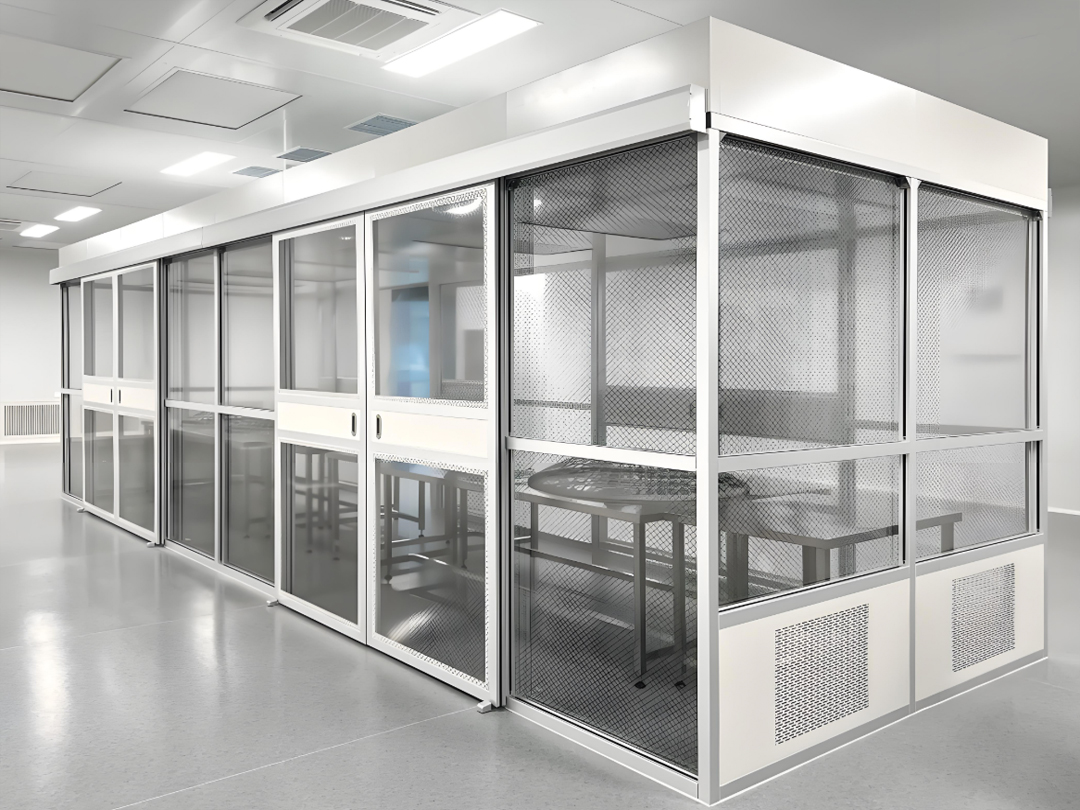
Deiiang designs practical airflow and temperature set-ups for Laser Cleanrooms that are designed for the highest precision of work with laser. Deiiang’s design of airflow and temperature controls for a Laser Cleanroom creates a stable airflow, reducing turbulence and temperature fluctuations that can impact the laser beam’s accuracy and optical alignment. Stable running conditions are achieved for sensitive laser equipment through well-tuned supply-exhaust balance plus zoned controls.

Learn More
  • Unidirectional / managed airflow significantly reduces recirculation of particles to shield critical process areas.

  • Tight-range precision temperature control prevents thermal drift and keeps the laser aligned.

  • Airflow zoning enables balanced pressure and airflow in all laser production spaces.

Airflow & Temperature Control
Anti-Static Materials & Construction

Anti-Static Materials & Construction

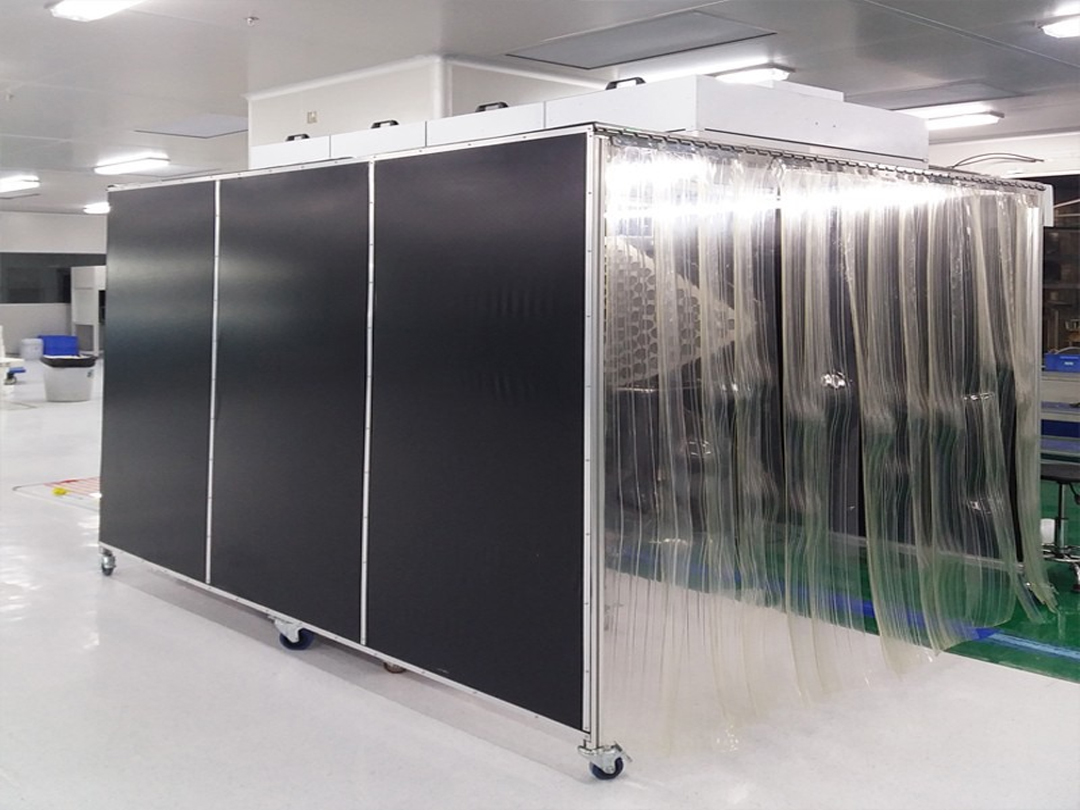
Deiiang supplies professional anti-static materials and construction solutions for Laser Cleanrooms. Our full set of cleanroom structures lowers static discharge risks, while ensuring great durability and easy cleaning to protect delicate laser and electronic parts.

Learn More
  • ESD-safe low-shedding surface materials, ideal for maintaining clean and stable Laser Cleanroom environments

  • Anti-static flooring, wall finishes and fixtures to reduce static accumulation and discharge risks

  • Tough, washable construction that works perfectly with precision laser optical and electronic devices

Anti-Static Materials & Construction
Personnel, Material & Equipment Flow Separation

Personnel, Material & Equipment Flow Separation

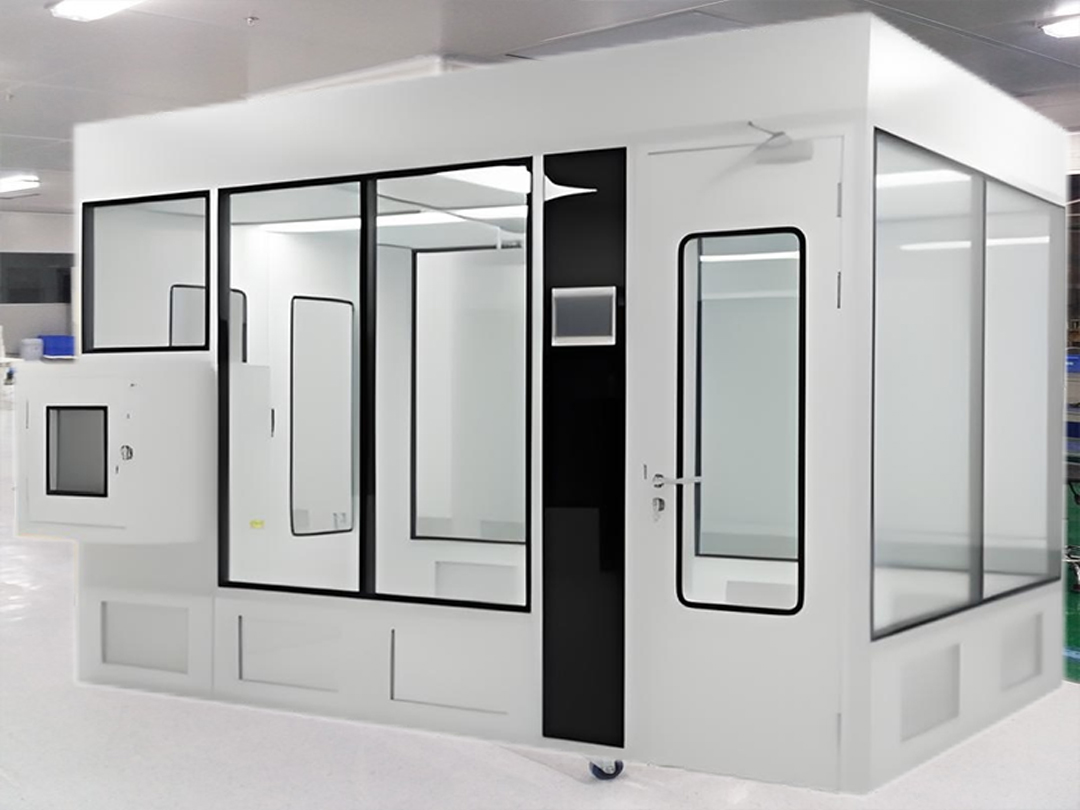
Deiiang optimizes flow layouts for Laser Cleanrooms, separating staff, material and equipment routes. This simple setup prevents cross-contamination, minimizes unnecessary movement, and continues to produce lasers steadily.

Learn More
  • Independent access routes to greatly lower contamination risks in Laser Cleanrooms

  • Tiered clean zoning to fully safeguard key laser processing areas

  • Smart layout design for increased workflow efficiency & operational safety.

Personnel, Material & Equipment Flow Separation
Environmental Monitoring & Process Stability

Environmental Monitoring & Process Stability

Deiiang provides reliable environment monitoring solutions for Laser Cleanrooms. Monitor critical environmental parameters including temperature, humidity and particulate matter. Alerting on unexpected changes to allow for prompt action to maintain stable and consistent laser processing.

Learn More
  • Real-time detection of temperature, humidity, pressure difference and airborne particles

  • Smart alarm and record features to fix environmental anomalies in a timely manner

  • Steady working conditions to retain laser precision, optical performance and production stability

Environmental Monitoring & Process Stability
Particle, Fume & Contamination Control

Particle, Fume & Contamination Control

Deiiang tailors contamination control systems for Laser Cleanrooms serving all precision laser processes. Harmful particles and fumes are filtered out and expelled by the specific filtration and exhaust treatment. This protects the optics, keeps the maintenance down and runs stably and reliably.

Learn More
  • High-efficiency filtration traps airborne pollutants produced during laser work

  • On-site exhaust solutions to control process fumes right at the source

  • Practical contamination control to safeguard optics and extend equipment runtime

Particle, Fume & Contamination Control

Technical Resources

Total 0 resources

Fastest, Most Comprehensive Laser Cleanroom Manufacturer.

25+ Years,       700M Parts,
300K Clients
100% of Fortune 100 Auto Companies.
100
Auto Leader.

Case Center

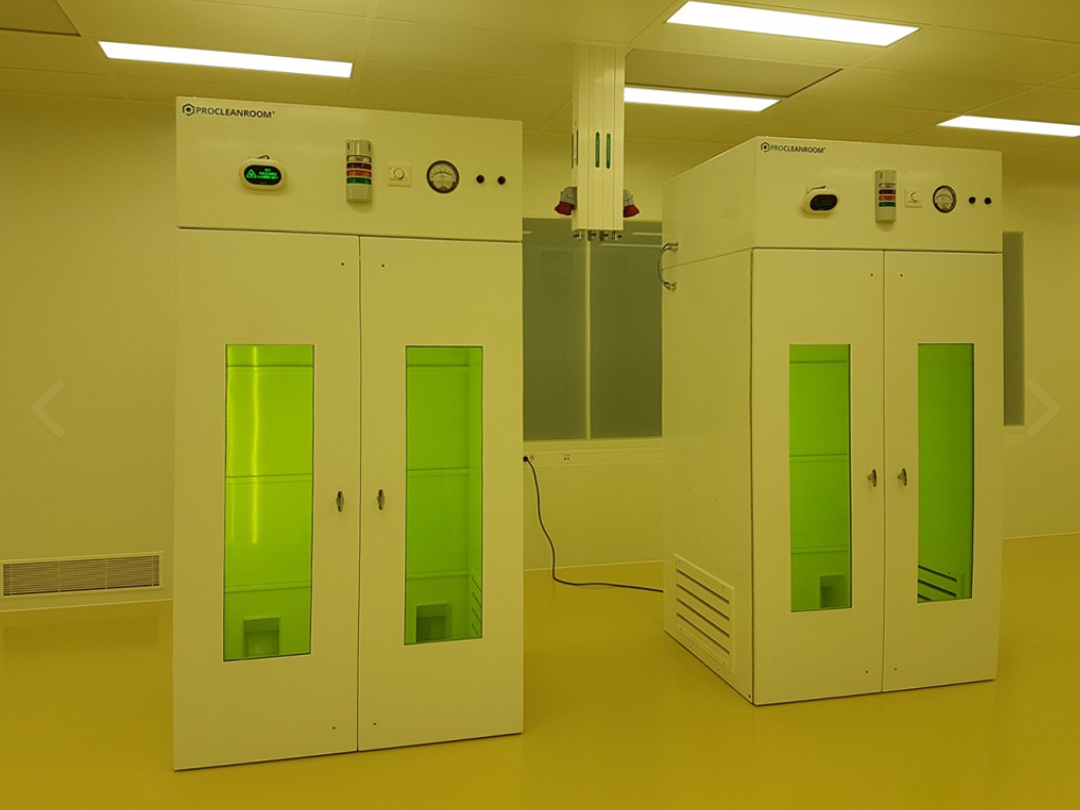
A Laser Cleanroom is a special controlled environment, which during processes like laser cutting, optical assembly or other contamination sensitive manufacturing processes, maintains ultra low levels of particles, constant temperature and humidity and precise air flow. This environment protects the beam quality, prevents optical contamination, minimizes ESD damage and guarantees highest process accuracy and highest product reliability in industrial high precision applications.

Learn more about Deiiang cleanrooms
Frequently Asked Questions (FAQ)
What are Laser Cleanrooms?

Laser cleanrooms are purpose‑built controlled spaces built around laser system build‑out and operation. They maintain stable temperature and humidity, reduce particulate contamination through air treatment, and protect delicate optical components to ensure consistent accuracy in your laser-driven precision machining.

How do Laser Cleanrooms maintain high cleanliness standards?

Laser cleanrooms hit strict cleanliness targets with filters and well‑thought‑out airflow setups. HEPA or ULPA filters catch floating airborne contaminants. Ceiling‑mounted filters push down vertical laminar air flows running in parallel. This setup cuts down turbulence that would otherwise stir particles up, delivers even air distribution, and keeps Laser cleanrooms reliably clean over time.

Why is temperature and humidity control important in Laser Cleanrooms?

HVAC tuning for Laser cleanrooms is critical to maintaining stable climate parameters which in turn prevent laser drift and extend life of expensive hardware. Proper humidity also keeps static build‑up in check, which protects fragile optical and electronic components from permanent damage.

What are the core design features of Laser Cleanrooms?

Design priorities include accuracy, operational stability, and practical application. We can equip the system with high-efficiency filters to ensure clean air, precisely control temperature and humidity, and employ laminar airflow to suppress particulate disturbance.Custom layouts are built for various laser workflows. Combined, these features secure accurate laser processing and reliable long‑term equipment performance.

How does ISO classification affect Laser Cleanrooms?

The ISO cleanliness classes determine the design of Laser cleanrooms and their daily operation. They specify a maximum number of particles of a certain size which are allowed in a clean room, thus filter selection, room layout and cleaning and disinfecting of the room can be determined based on these requirements. An example of a cleanliness class is the ISO Class 5. This cleanliness class has very low tolerances for particle contamination and thus requires the highest quality of filters and a dedicated air-handling system.

What industries commonly use Laser Cleanrooms?

Lots of high‑precision sectors depend on Laser cleanrooms. Semiconductor sites use them for microfabrication work. Optical‑communication facilities use Cleanrooms for building and testing of fiber‑optic components. Cleanrooms for medical‑device manufacturers enable them to produce their medical devices in a sterile environment with highest precision, thus enabling them to optimize the performance of their end‑products.

How can contamination be prevented in Laser Cleanrooms?

By implementing strict rules on cleanliness and by carrying out ongoing checks for contamination, Laser Cleanrooms can be protected from contamination by people or objects entering the Cleanroom. Personnel and objects entering the Cleanroom are covered by gowning and decontamination procedures. Real‑time air checks and the occasional filter servicing ensure clean conditions are maintained at all times. The clean room staff receive targeted training in order to minimize the risks of human‑caused contamination.

What is the cost of maintaining a Laser Cleanroom?

The cost to maintain Laser Cleanrooms depends on the cleanliness level and the complexity of the systems. There are large costs for energy for HVAC and ventilation, labor for cleaning and for service of equipment, audits for compliance, and for consumables like filter cartridges.

What future developments are expected in Laser Cleanrooms?

Smart functions, higher efficiency and eco-friendliness will be key to future developments of Laser cleanrooms. Automated real‑time monitoring will significantly reduce manual work and labor costs. Cleanrooms of the future will be made of new, eco‑friendly materials and feature energy‑saving designs. The resulting higher energy performance will meet the global requirements for green operation.

Home

PHONE

Email

Inquiry