+86 13638632902
 Jason@cleanroomequips.com
 MENU
MENUX








Cleanroom equipment refers to a wide range of specialized tools, devices, and systems used to maintain the cleanliness, safety, and controlled environmental conditions within a cleanroom. The equipment used in cleanrooms is crucial for maintaining these conditions and ensuring that the cleanroom meets specific cleanliness standards such as ISO 14644 or GMP.
Hardwall Cleanrooms
Modular Clean Room
Air Shower
Weighing Room
Clean bench
Air Filter
Cleanroom wall panels
Clean room floor
Clean room ceiling
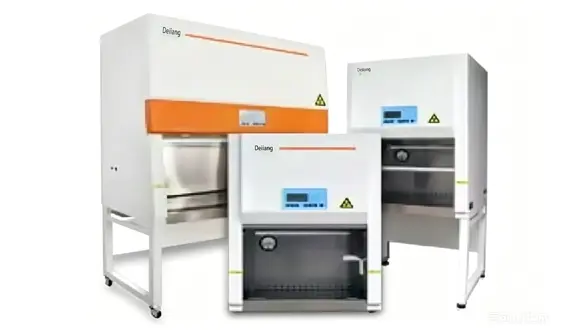
Our professional team provides a one-stop, customized supply of cleanroom Equipments to meet your specific requirements.
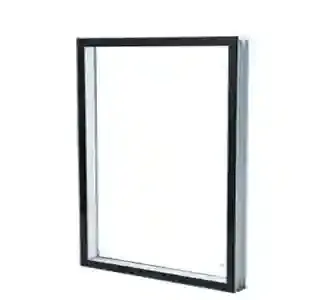
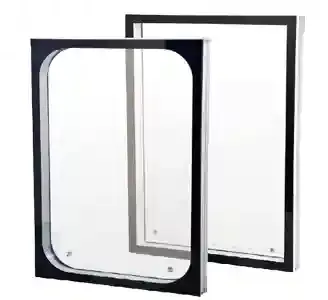


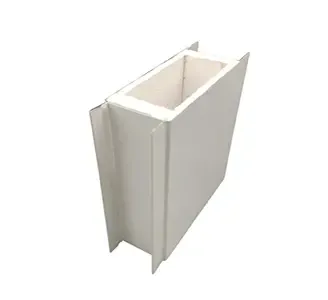



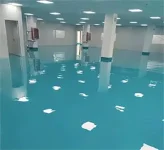
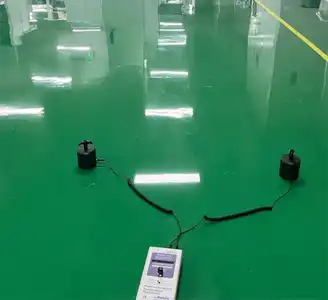
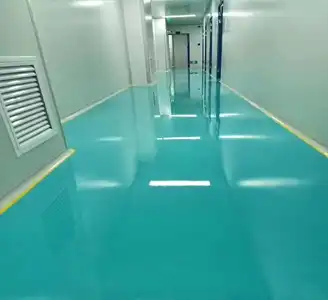
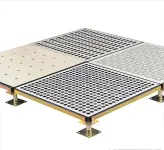

To start, simply select a manufacturing process and upload a 3D CAD file.

Within a few hours we'll send you design for manufacturability (DFM) analysis and real-time pricing.

Once you review your quote and place your order, we'll start the manufacturing process. We also offer finishing options.

Our digital manufacturing process allows us to produce parts in as fast as 1 day.
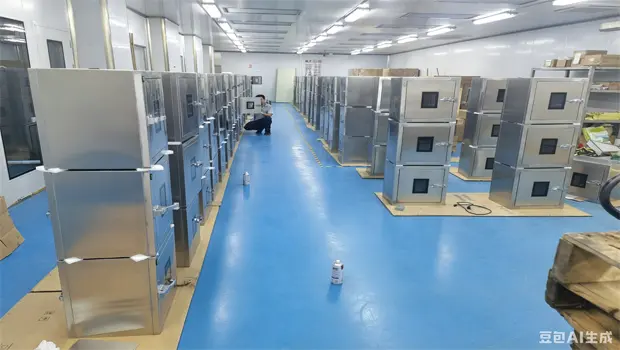
Essential cleanroom equipment includes air filtration systems, cleanroom garments, and contamination control tools. Air filters, such as HEPA and ULPA filters, help maintain air quality by removing particulates from the environment.
Additionally, equipment like laminar flow hoods and clean benches provide controlled environments for sensitive processes.
Cleanroom air filters, such as HEPA and ULPA filters, operate by trapping airborne particles as air passes through them. These filters are made of densely packed fibers that create a barrier against contaminants.
This design ensures that the air circulating within the cleanroom is free from harmful particles. Regular maintenance and replacement of these filters are crucial to maintaining the cleanroom's air quality.
The gowning area minimizes the introduction of contaminants into the cleanroom by providing a controlled space for personnel to don cleanroom attire.
It establishes a standard procedure for gowning, ensuring that all personnel adhere to the same protocols.
The gowning area often includes storage for cleanroom garments and accessories, keeping them organized and readily available.
Validation of cleanroom equipment should be conducted regularly to ensure it operates within specified parameters. Typically, equipment should be validated at least once a year or whenever significant changes are made to processes or equipment.
Regular validation helps maintain compliance with industry standards and ensures the integrity of cleanroom operations.
A cleanroom monitoring system is a set of tools and technologies designed to continuously track environmental parameters such as temperature, humidity, and particulate levels within the cleanroom.
These systems provide real-time data to ensure that the cleanroom conditions remain within acceptable limits. By monitoring these parameters, facilities can quickly respond to deviations and maintain compliance with regulatory standards.
Modular cleanroom systems can be easily reconfigured or expanded to meet changing operational needs, offering a high degree of flexibility.
They often require less time and investment to set up compared to traditional construction methods and can be quickly assembled and installed, minimizing downtime and disruption to ongoing operations.
To ensure proper maintenance of cleanroom equipment, schedule regular inspections to identify wear and tear or potential issues before they become critical.
Implement a preventive maintenance program that includes cleaning, calibration, and part replacement in line with manufacturers' recommendations.
Keep detailed records of maintenance activities to track the performance and compliance of equipment over time.