+86 13638632902
 Jason@cleanroomequips.com
 MENU
MENU
What is the Difference Between a medium filter and a HEPA filter?
When it comes to air filtration, understanding the distinctions between various filter types is crucial. Medium filters and HEPA filters serve different purposes and have unique characteristics that impact their performance.
Definition and Efficiency
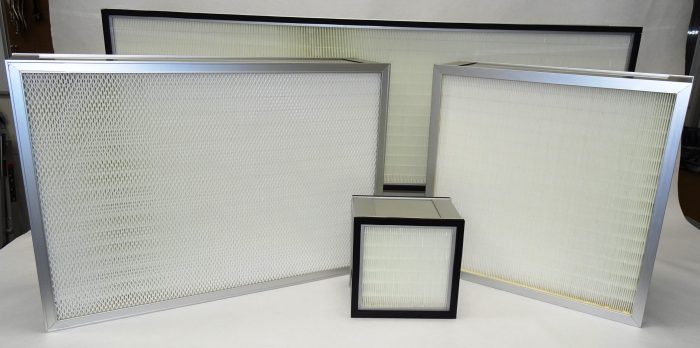
Medium filters are designed to capture larger particles, typically ranging from 1 to 10 micrometers in size. They usually have an efficiency rating of around 30-60% for particles of this size, making them suitable for general air quality improvement. In contrast, HEPA (High-Efficiency Particulate Air) filters are engineered to capture at least 99.97% of particles that are 0.3 micrometers in size, according to the U.S. Department of Energy (DOE) standards. This significantly higher efficiency makes HEPA filters ideal for environments requiring stringent air quality control.
Performance Standards
The performance of filters is often measured against international standards. HEPA filters must comply with the IEST-RP-CC001.3 standard, which outlines their efficiency and integrity testing methods. Medium filters, on the other hand, are often evaluated according to ASHRAE Standard 52.2, which assesses their effectiveness in capturing various particle sizes.
Cost and Maintenance
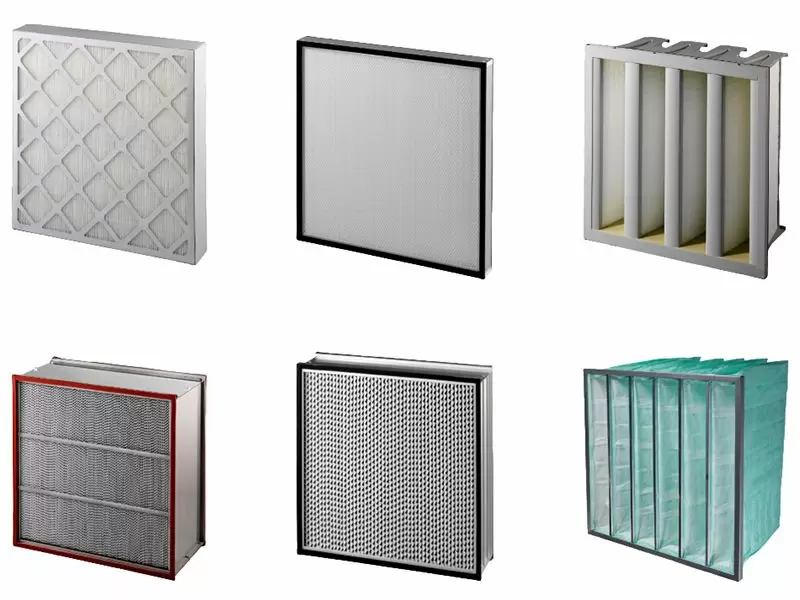
Cost and maintenance are also important factors when choosing between medium and HEPA filters. Medium filters are generally less expensive, ranging from $10 to $30 eACH, making them accessible for regular replacement. HEPA filters typically cost between $30 and $100, reflecting their advanced technology and higher efficiency.
the primary differences between medium filters and HEPA filters lie in their efficiency, applications, performance standards, and cost. Medium filters are suitable for general air quality improvement, while HEPA filters provide superior filtration for environments that demand high standards of air purity. Understanding these differences is essential for selecting the right filter for your specific needs.
Relevant Standards and Guidelines
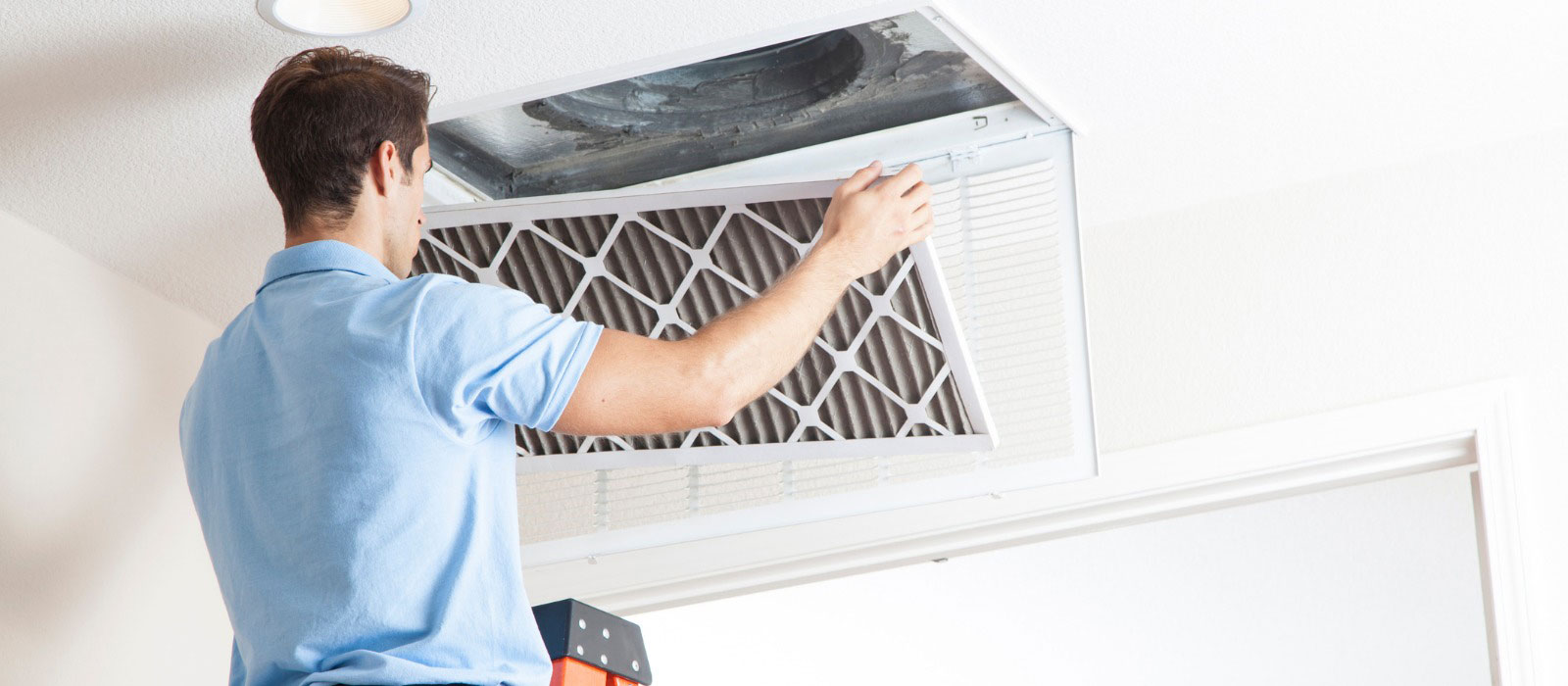
ASHRAE Standard 52.2- Testing methods for air filters in HVAC systems.
IEST-RP-CC001.3- Guidelines for testing HEPA and ULPA filter performance.
U.S. Department of Energy (DOE)- Standards for HEPA filter efficiency and applications.
Are HEPA filters better than regular filters?
1. Superior Filtration Efficiency
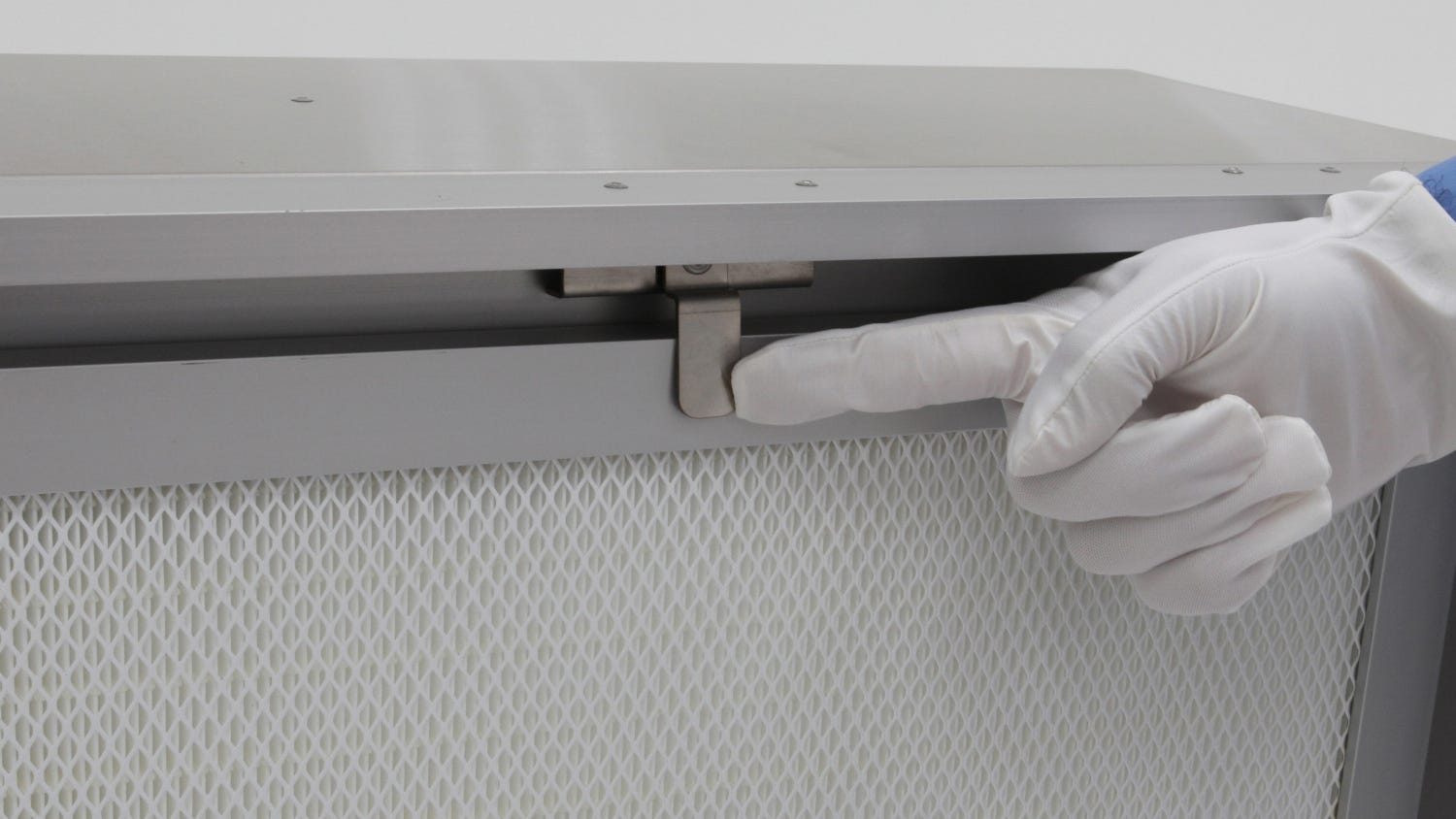
HEPA filters are designed to capture at least 99.97% of particles that are 0.3 microns in size, making them significantly more effective than regular filters.
2. Enhanced Air Quality
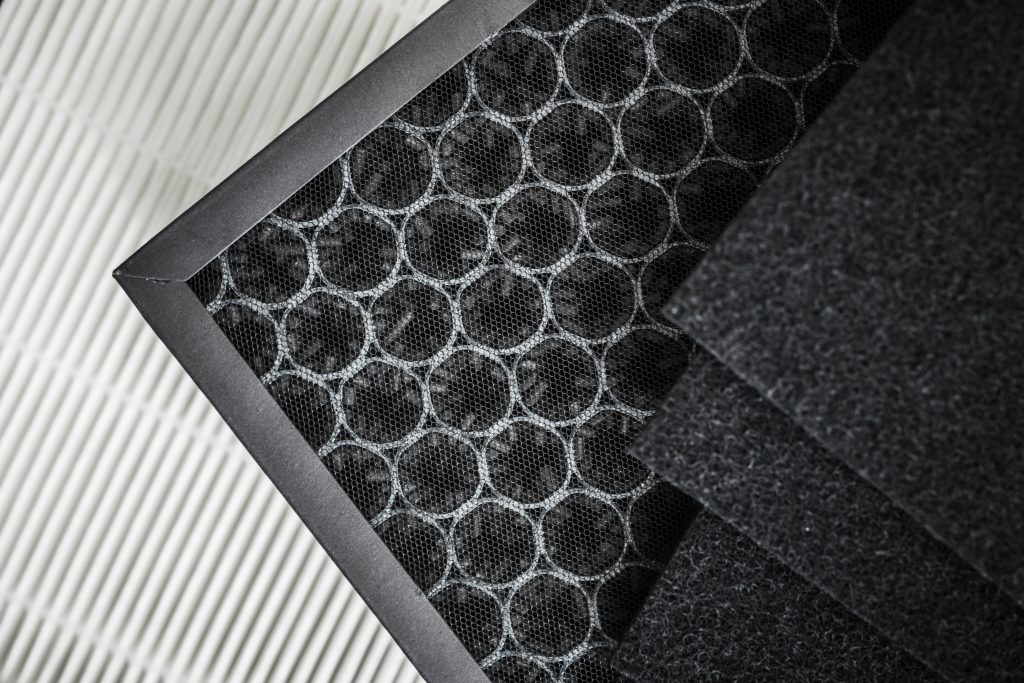
Using HEPA filters can greatly improve indoor air quality by trapping allergens, dust, and other harmful particles. This is particularly beneficial for individuals with allergies or respiratory issues, as cleaner air can lead to better health outcomes.
3. Long-Term Cost-Effectiveness
While HEPA filters may have a higher upfront cost compared to regular filters, their efficiency in capturing fine particles can lead to lower health-related expenses over time.
4. Ideal for Sensitive Environments
HEPA filters are especially recommended for environments that require high air quality standards, such as hospitals, laboratories, and homes with pets. Their ability to filter out microscopic particles makes them a preferred choice for those seeking a healthier living space.
What is the difference between a media filter and an air filter?
Understanding Media Filters
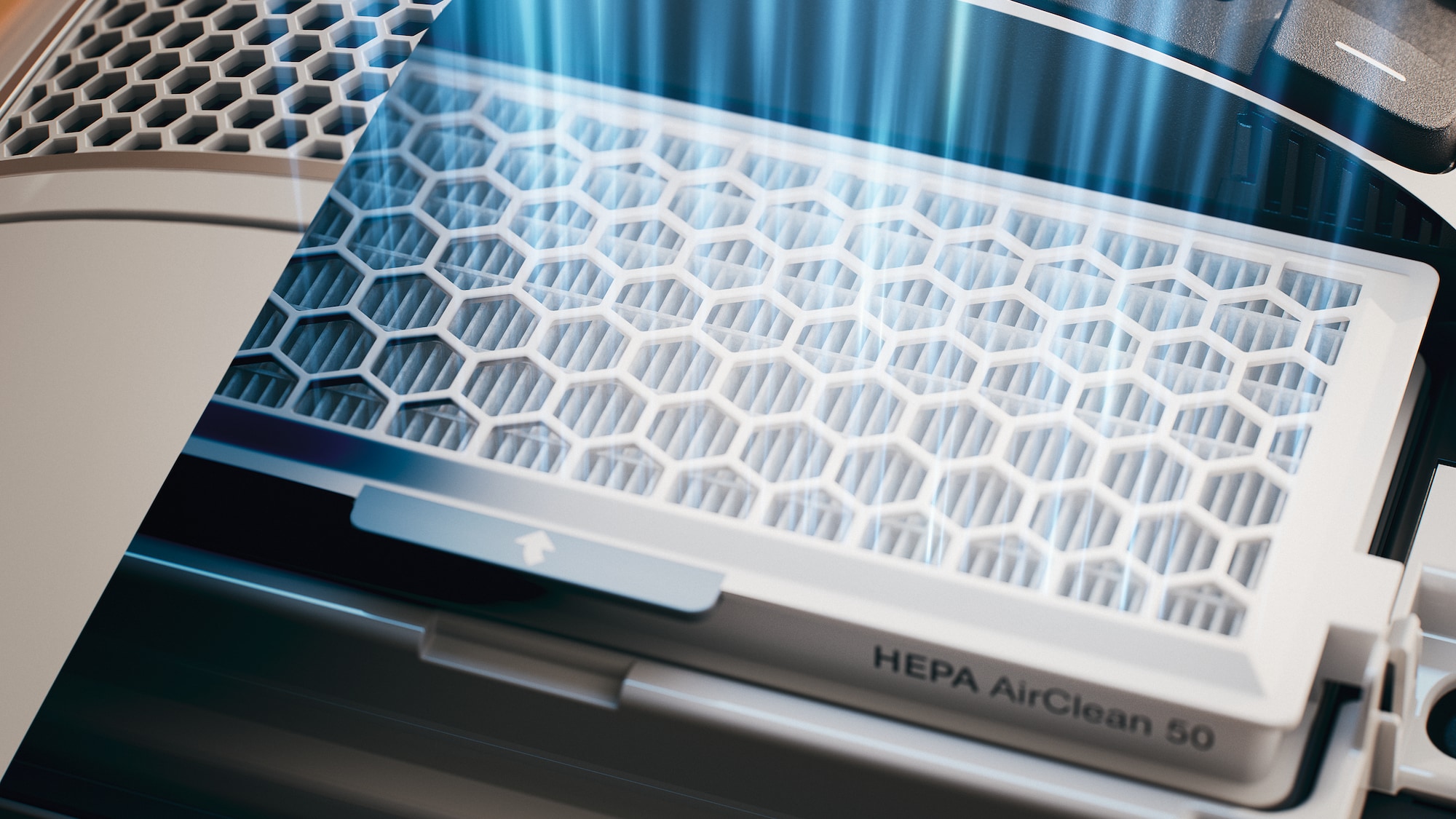
Media filters are designed to capture larger particles and are often used in residential HVAC systems. They typically consist of a thicker material that can trap dust, pollen, and other airborne contaminants. In contrast, standard air filters may not have the same level of efficiency and can allow smaller particles to pass through, potentially affecting air quality.
Filter Efficiency
Media filters generally offer better filtration than standard air filters, making them a more effective choice for maintaining clean air in your home.
Is a HEPA filter the same as M class?
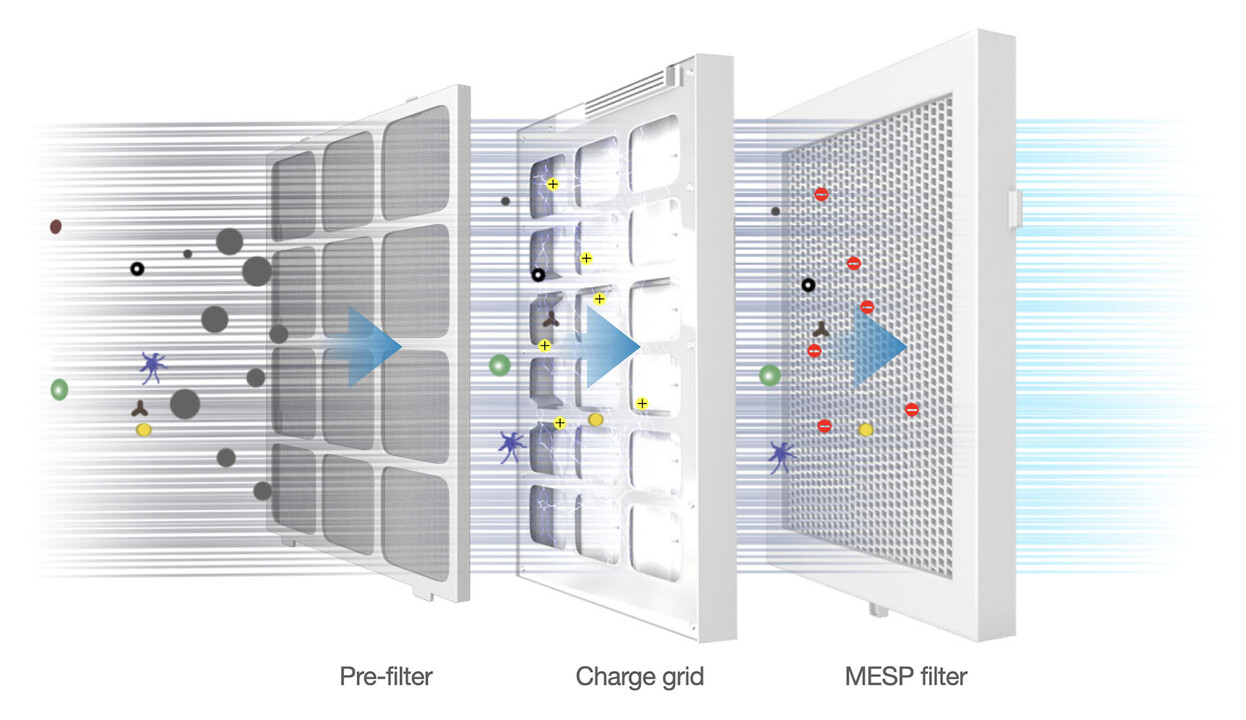
HEPA filters and M class filters are not the same, although they both serve the purpose of improving air quality. HEPA filters are specifically designed to meet strict standards for particle filtration, capturing 99.97% of particles that are 0.3 microns in size. M class filters, on the other hand, are categorized based on their ability to capture larger particles and may not meet the same stringent efficiency standards as HEPA filters. While M class filters can be effective for general air filtration, they may not provide the same level of protection against allergens and fine particles as HEPA filters. Therefore, for environments where air quality is critical, HEPA filters are often the preferred choice.
How can you tell if a filter is a HEPA filter?
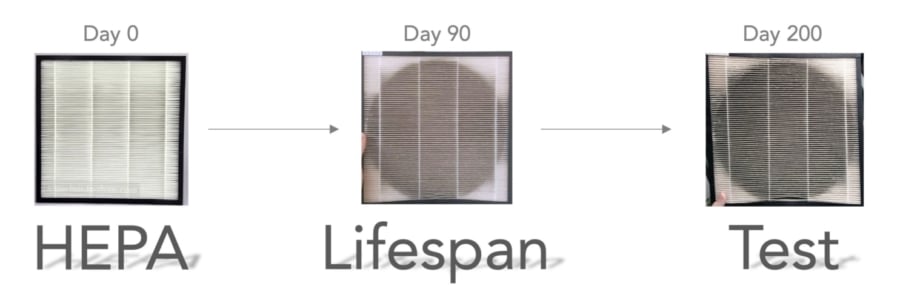
1. Identifying HEPA Filters:To determine if a filter is a HEPA filter, check for certification labels or markings on the packaging. Genuine HEPA filters will typically state that they meet the HEPA standard, which requires them to capture at least 99.97% of particles that are 0.3 microns in size.
2. Look for Specifications:Review the specifications provided by the manufacturer. A true HEPA filter will provide detailed information about its filtration efficiency and the types of particles it can capture.
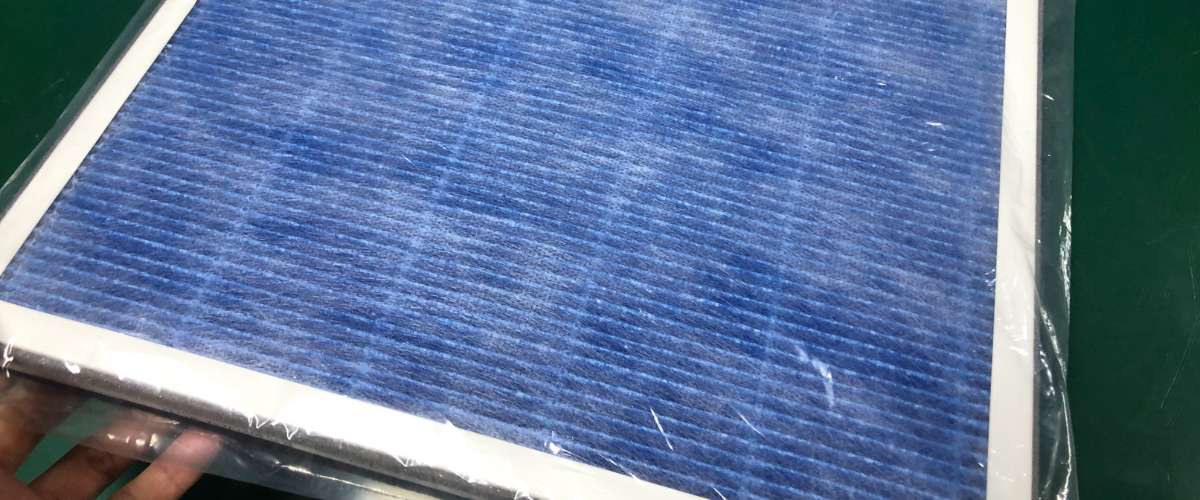
3. Performance Testing:Some manufacturers may provide test results or certifications from independent laboratories that verify the filter's HEPA status. This information can help you ensure that you are purchasing a filter that meets the necessary standards for effective air purification.
identifying a HEPA filter involves checking for certification, reviewing specifications, and looking for performance testing information. This ensures that you are investing in a filter that will significantly improve your indoor air quality.